
AI is transforming all sectors in a good way, and modern websites are no exception. This allows designers to be more productive and develop powerful tools to create smarter and more responsive websites.
Unlike static web pages that look the same to every visitor, today’s websites are more responsive and appealing. They can analyze user behavior, preferences, and interactions in real time.
AI is transforming the realm of web design in a good way that enhances the user experience with personalized content, optimized layout, and automation in the design process.
This insists that designers focus on creative tasks while AI takes care of the data-driven decision-making.
In this article, I will discuss the impact of AI in web design and how it is changing the web design process.
What Is AI in Web Design?
AI in web design means implementing AI technologies to make websites smarter, more adaptive, and easier to use.
This reduces the manual design efforts and speeds up the design process by quickly analyzing the user data, such as clicks, scrolling patterns, and browsing behavior, to understand how visitors interact with a website.
By analyzing this data, AI systems recognize behavioral patterns of users and use those insights to improve layout, navigation, or content placement.
AI can also suggest design styles for better user experiences. As a result, the website becomes faster, more intuitive, and tailored for every visitor.
Why AI Is Transforming Modern Web Design
The main goal of every web designer or website owner is to improve the user experience. Modern users prefer smart, fast, and more personalized websites, and AI systems are just helping to achieve that.
AI systems analyze large amounts of user data to produce insights that can help in the web design process. Basically, it automates or streamlines the workflows, saving time for designers or developers.
In the meantime, AI-powered websites ensure better engagement, higher conversions, and more effective digital experiences.
10 Ways AI Is Changing Web Design
1. Personalized User Experiences
One of the prominent methods AI is changing web design is through personalized user experiences. AI systems analyze user behavior to understand their preferences.
Based on that data, web designers can display dynamic web pages that improve user experiences.
For instance, an e-commerce website might recommend products based on what a user has purchased or viewed before. Similarly, landing pages can show relevant content or offers to users.
Also Read: How to Improve Website User Experience: 12 Proven Optimization Tips
2. AI-Driven Website Layout Optimization
AI systems also help in designing or improving website layouts. They study real user interactions, such as how far they scroll, where they click, and what parts they ignore.
These insights help them decide which layouts will work well and which ones need improvement.
Based on that, they give recommendations for layout changes such as adjusting the position of images, buttons, or navigation menus.
3. Smarter UX Design Through User Behavior Analysis
AI is making UX design smarter by closely analyzing how users interact with a website. It tracks actions like clicks, scrolling behavior, and the paths users take while navigating pages. This data helps designers understand what visitors are actually doing rather than guessing what might work.
AI-powered tools can also generate heatmaps that visually show which areas of a page attract the most attention. By studying these patterns, AI can quickly identify usability problems, such as confusing navigation or ignored sections.
This allows website designers to make strategic improvements and build pages that are intuitive, user-friendly, and aligned with real user behavior.
4. AI-Powered Chatbots for Customer Support
AI-powered chatbots are now an integral part of modern websites. These chatbots use conversational AI to interact with visitors in a natural, human-like way, answering questions and guiding users through a website.
This helps improve the overall user experience and keep them engaged. These chatbots can help users find products, solve simple issues, and get information quickly.
This helps businesses provide faster customer support while creating a more interactive and responsive user experience.
5. Automated Website Design

Through automated design tools, AI is speeding up and improving the accessibility of website creation. Based on user input or business requirements, modern AI website builders can automatically create layouts, color schemes, and page architectures.
Developers and novices may easily and rapidly create websites that appear professional without having to start from scratch.
Wix ADI and Framer AI use artificial intelligence to create full website layouts in minutes. These tools analyze the type of website you want and generate design elements for it automatically.
As a result, businesses can publish websites more quickly, while designers can focus on innovation and customization.
6. Predictive User Experience
Artificial intelligence assists websites in anticipating what visitors want before they ever ask for it. AI can predict a visitor’s next action based on browsing behaviors, previous interactions, and user preferences. This results in a more seamless and intuitive browsing experience.
For instance, many websites now offer intelligent search recommendations that show up as users type, making it easier for them to access information more quickly.
By emphasizing the sites that are most pertinent to each visitor, AI can also customize navigation menus. These predictive features make a website feel smarter and more responsive by lowering friction, saving time, and guiding users more effectively.
Also Read: Best Web Analytics Tools To Improve Your Website
7. Improved Website Accessibility
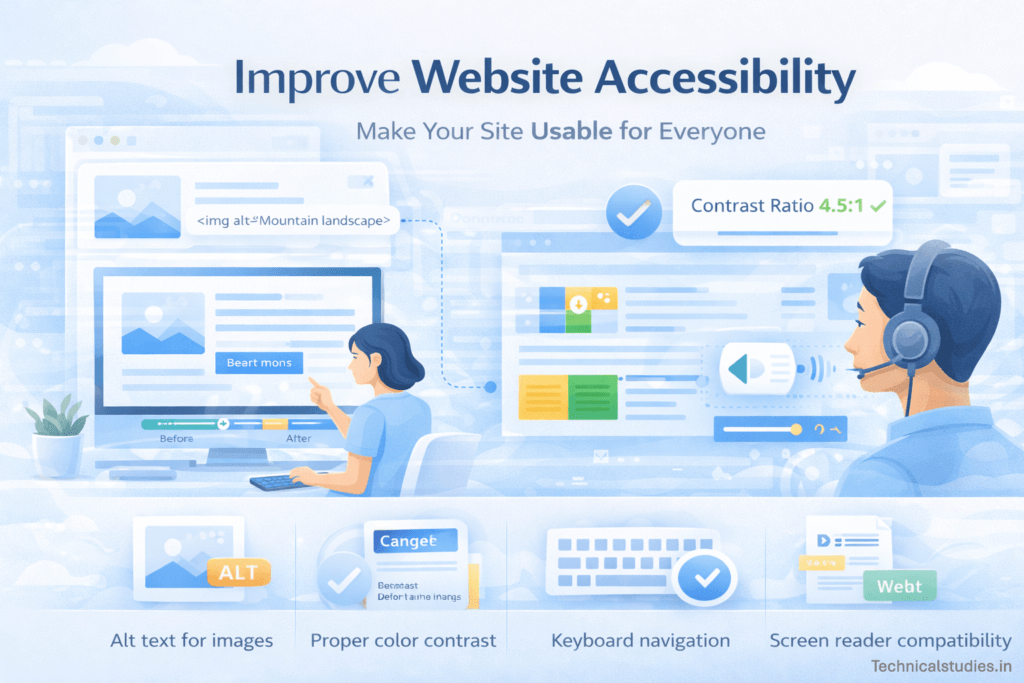
AI is making websites more accessible to all users, including those with disabilities. AI systems can automatically enhance accessibility features that make it easier for users to explore and comprehend information by evaluating user interactions and website content.
Voice interfaces, for instance, let users interact with webpages by speaking commands rather than via conventional navigation.
Additionally, AI can produce intelligent alt text for pictures, assisting screen readers in explaining visual content to people who are blind or visually impaired. These features improve the usability and inclusivity of websites.
AI is assisting designers in producing digital experiences that appeal to a broader audience as accessibility becomes a top concern in contemporary web design.
8. AI-Powered A/B Testing
AI is speeding up and improving A/B testing in contemporary web design. In the past, designers had to manually test various iterations of a webpage to see which one worked better.
AI-powered solutions automate this procedure. AI is capable of rapidly testing several layouts, headlines, photos, and page elements simultaneously.
AI determines which version increases engagement or conversions by examining user interactions in real time. Additionally, it may improve crucial components like call-to-action buttons, colors, and positioning.
Businesses can continuously enhance their websites with the support of this data-driven approach, which improves user experience, performance, and conversion rates.
9. Intelligent Content Recommendations
Websites are using AI to provide more intelligent content recommendations that keep users interested for longer.
AI can determine what kinds of information a visitor finds interesting by examining user behavior, including browsing history, clicks, and page time. Websites can make product, video, or article recommendations based on this information and the user’s interests.
For instance, e-commerce systems propose things that are similar to what a user has viewed, while blogs may provide related posts at the conclusion of an article.
These tailored recommendations enhance the fun and utility of browsing. Because of this, users stay on the page longer and are more inclined to go through more content.
Also Read: Best Email Marketing Software You Should Use [Top AppSumo Lifetime Deals Included]
10. Faster Website Performance Optimization
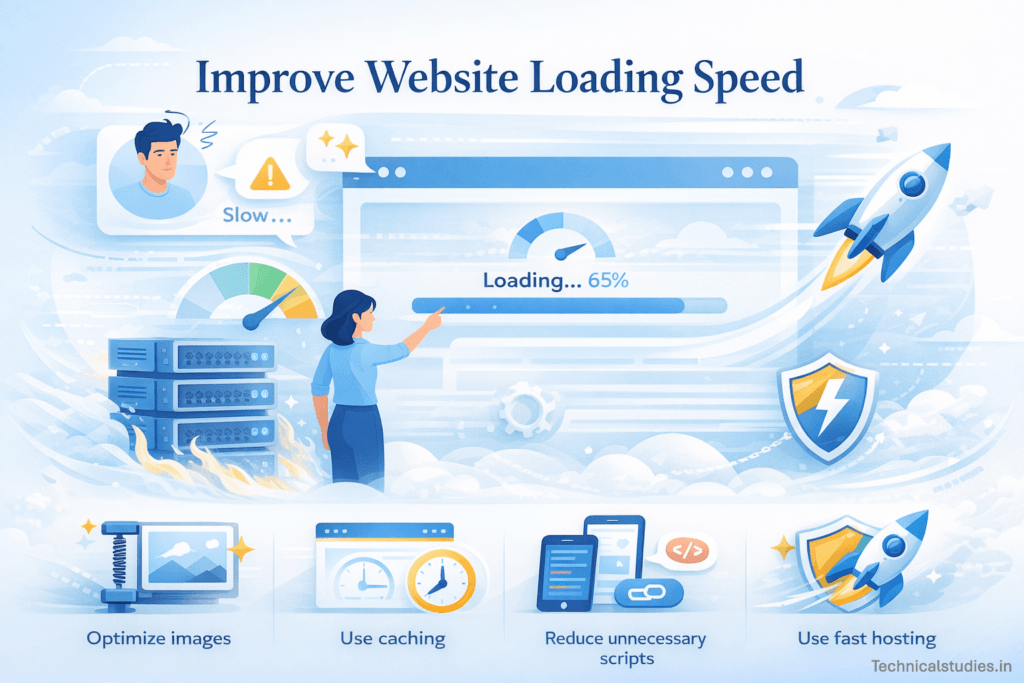
Additionally, AI is making websites more reliable and faster. AI can find problems that slow down a website, including big graphics, ineffective scripts, or server delays, by continuously monitoring performance data.
AI-powered technologies can automatically recommend or implement optimizations to increase loading speed rather than waiting for human corrections.
For instance, AI can optimize code, compress graphics, and control caching to guarantee that sites load rapidly on various devices.
Additionally, it can track the performance of websites in real time and identify possible issues before they impact users. This proactive strategy contributes to the development of more dependable, quick, and seamless online experiences.
Popular AI Tools for Web Design
AI-powered tools are making web design faster, easier, and more efficient. These platforms use artificial intelligence to automate many design tasks, allowing designers and developers to focus more on creativity and strategy.
Tools like Wix ADI can automatically generate a complete website based on simple inputs such as business type, preferred style, and content. Similarly, Framer AI helps designers quickly create responsive layouts and prototypes with minimal manual work.
AI technologies like Adobe Sensei power intelligent design features within Adobe tools, enabling automated image editing, content tagging, and design suggestions. Meanwhile, platforms such as Uizard and Bookmark AiDA can transform simple ideas or sketches into fully designed website interfaces.
These AI tools are intended to develop high-quality websites faster by automating repetitive tasks and offering smart design suggestions.
Also Read: Common Web Development Mistakes Developers Make And How To Avoid Them
FAQs About AI in Web Design
1. How does AI improve user experience in web design?
AI analyzes visitor behavior such as scrolling patterns, clicks, and time spent on pages. These insights help developers personalise content, recommend relevant products or articles, or change the website layout to enhance the browsing experience.
2. Can AI design a complete website without human designers?
AI can generate layouts, templates, and basic website structures using website builders and design tools. However, human designers are still essential for creativity, branding, and strategic design decisions.
3. What are the main benefits of using AI in web design?
AI helps automate repetitive tasks, analyze user data, and improve design decisions. It enables personalized user experiences, faster website creation, smarter layout optimization, and automated testing.
4. How does AI help improve website conversion rates?
AI analyzes user interactions to understand what design elements lead to conversions. It can optimize call-to-action buttons, page layouts, and content placement using data-driven insights.
Conclusion
AI is rapidly transforming how websites are designed, developed, and experienced.
From personalized user experiences and intelligent content recommendations to automated layouts and smarter performance optimization, artificial intelligence is making modern websites more dynamic and user-focused.
AI tools are helping designers work faster by automating repetitive tasks and simplifying complex design processes. However, human creativity and strategic thinking remain essential for building unique and meaningful digital experiences.
Therefore, it is crucial for web designers to learn to integrate AI into their workflow to create better user engagement and deliver real value.
Share Now

More Articles
10 Practical Web Development Projects For Beginners – Start Building Today
Powerful Benefits of WordPress That Make It the #1 CMS
Best SEO Tools To Enhance Your Website Performance [Expert Picks]

Neeladrinath is a technical writer, blogger, mechatronics engineer, and the founder at technicalstudies.in. He holds a diploma in Mechatronics and possesses in-depth knowledge of intricate subjects, coupled with exceptional writing skills. With a background in engineering, Neeladrinath excels at making complex concepts accessible to a broader audience. Apart from his writing pursuits, he is also passionate about movies and tech products.
Discover more from technicalstudies
Subscribe to get the latest posts sent to your email.