

Last updated on May 15th, 2025 at 11:12 am
Design engineers play a crucial role in shaping products, systems, and technologies that we use daily. This guide tells you how to become a design engineer.
In today’s dynamic world of innovation and technology, the role of a design engineer has become increasingly vital across various industries. Design engineers work in various engineering disciplines such as mechanical, electrical, civil, manufacturing, aerospace, nuclear, textile, chemical, and more.
In this article, we will discuss everything you need to know about the design engineer job profile, eligibility, salary, opportunities, and more. Furthermore, this guide will answer how to become a design engineer and whether being a design engineer is a good career choice.
Related: Best Udemy Courses for Aspiring Data Scientists
What does a design engineer do? The importance of a design engineer in different industries
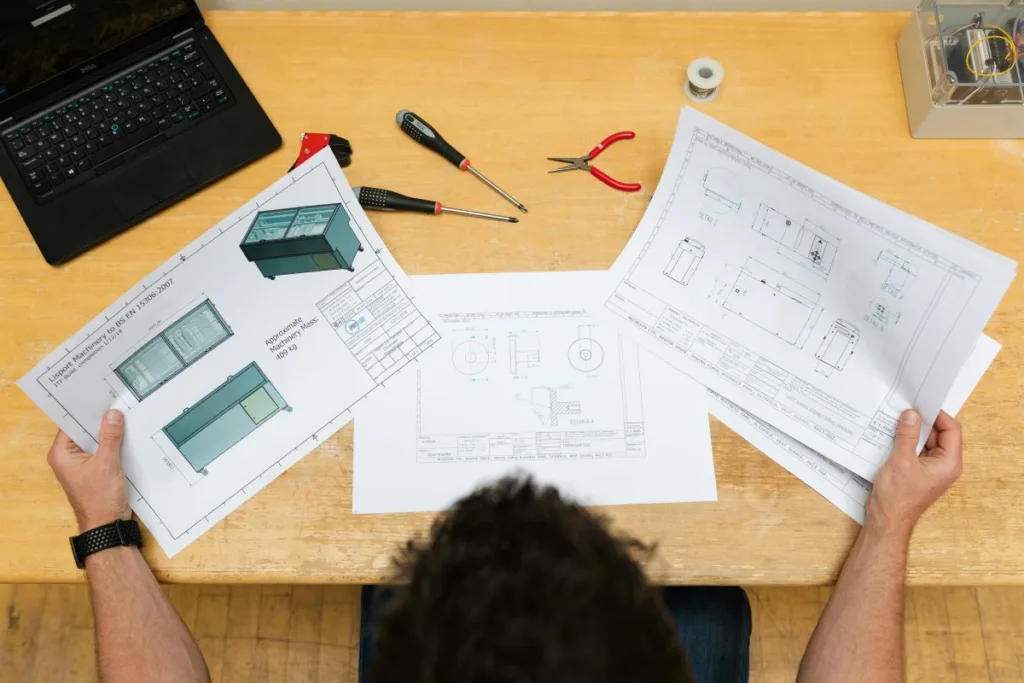
Design engineers are professionals responsible for planning, conceiving, and overseeing the development of products, systems, or structures. They play an integral role in the design phase of any project, ensuring that the final outcome meets both functional and aesthetic requirements.
They are also responsible for increasing efficiency or improving the performance of existing projects, products, or systems by modifying them. Here is a list of tasks or duties that a design engineer performs in the industry.
How to Become A Design Engineer
Responsibilities of a Design Engineer
A design engineer is tasked with various responsibilities throughout the product development process. These include:
1. Collaborate with the team or other designers to create drawings for projects, systems, or buildings.
2. Utilize software programs such as CAD and CAE to create drawings or seek assistance from corporate service providers.
3. Ensure designs are cost-effective and employ mathematical skills in the design process.
4. Develop functional or non-functional prototypes of a product or project and analyze the testing of the prototype with the team.
5. Implement necessary modifications to the prototype after testing.
6. Manage the development process and make changes to the product whenever needed.
7. Work closely with manufacturing engineers throughout the life cycle of the product to inspect and implement required design changes to reduce costs or increase efficiency.
Importance of Design Engineers in Various Industries
As mentioned above, design engineers play a vital role in various industries, from consumer electronics to automotive design and more. Their significant contribution leads to the success of a product.
The ability of a design engineer to balance cost-effectiveness, functionality, and innovation empowers them to carry out the development process smoothly. This is what makes them an important job role in various industries.
Therefore, if you are willing to pursue your career as a design engineer, you can choose the discipline of your choice and prepare to be a design engineer in that specific field.
Educational Background Needed to Be a Design Engineer

The academic requirement to become a design engineer is to have a bachelor’s degree in engineering in your desired discipline, such as mechanical engineering, electronics engineering, industrial engineering, computer engineering, etc.
For better understanding and expertise in the field, you can also pursue advanced degrees with a focus on design and related terms. By choosing a field of specialization, you can shift your focus to a specific area and acquire relevant skills for your career easily.
Here are the necessary skills for a design engineer

To become a successful design engineer, you need to have these soft and hard skills. These will help you perform your job effectively.
Technical and Mathematical Skills
Design engineers utilize various tools and software such as CAD, CAM, and CAE to create drawings for their products or projects. With proper mathematical knowledge and technical skills, they can effectively use these tools and develop successful prototypes.
Drafting Skills
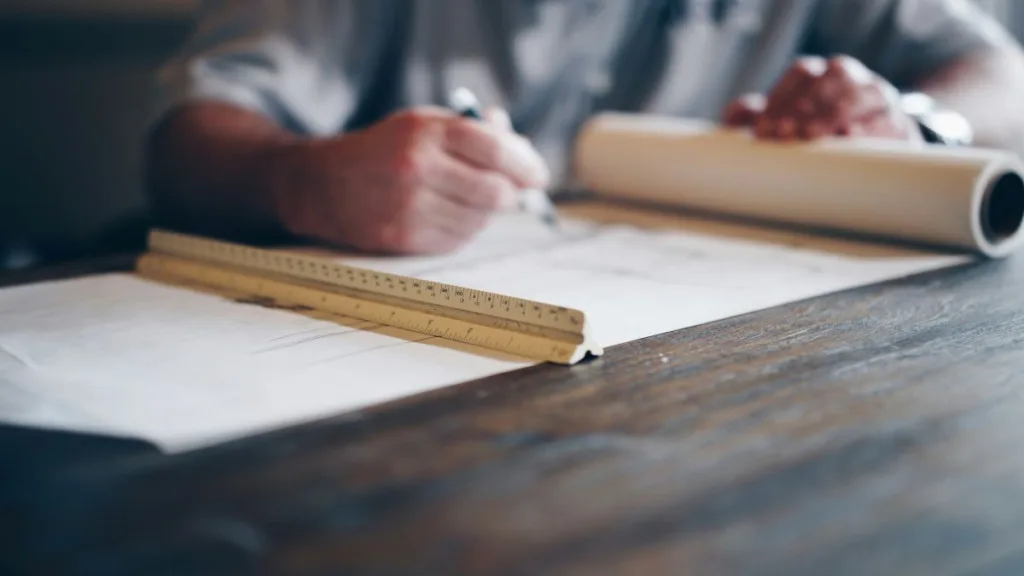
A design engineer should possess expertise in AutoCAD and other drafting tools and software to perform the job accurately. Knowledge of raw materials, manufacturing equipment, and design products is essential to support the creation of prototypes.
Analytical Thinking

Design engineers work with intricate details in projects, and any alteration can impact the functionality and performance of the product. Therefore, they must analyze each task thoroughly, identify problems, and troubleshoot to keep the development process on track. Analytical thinking is a crucial skill that aids them in this process.
Creativity and Design Ability

Creativity is a vital skill for every design engineer to approach problems differently and generate innovative ideas for their design challenges. When facing obstacles in the design process, their creativity and design ability come into play to overcome these challenges.
Communication Skills
Effective communication skills are imperative for any job, and within the design engineering job profile, professionals engage with other departments in the industry during the ideation process. They typically gather inputs from departments such as research and development, marketing, manufacturing, and customer relations, translating these ideas into reality.
Possessing excellent listening, communication, and processing skills is crucial for design engineers to comprehend ideas thoroughly and achieve the desired final results. Additionally, design engineers should be adept at explaining technical parameters to non-technical individuals in the industry.
Time Management

In certain firms, design engineers may be tasked with executing all design-related aspects of a product or project. In such scenarios, they must effectively prioritize their tasks and establish deadlines for task completion.
Teamwork

Another essential skill for design engineers is the ability to work effectively in a team. Design engineers typically collaborate with other engineers, supervisors, floor workers, the marketing department, customer relations department, and the finance department within a company.
They should be capable of expressing their ideas and incorporating feedback from team members. Their ability to work seamlessly in a team environment facilitates smoother task processing.
Commercial Awareness and Project Management Skills
A design engineer needs to consider various aspects when designing a product, and cost management is a crucial factor. They must have an idea about the price of a particular product and make necessary modifications in the design to make it suitable for the market.
With project management skills, design engineers can better oversee the entire design process. They can create timelines for their work and ensure tasks are completed within the specified timeframe.
What Challenges Are Faced By Design Engineers?
Design engineers commonly encounter various challenges in the workplace, and here we have listed some of them. We will also discuss how to overcome these challenges and perform tasks effectively.
Balancing Functionality and Aesthetics
One of the primary challenges is finding the right balance between the functional requirements of a product and its aesthetic appeal. Design engineers must ensure that the end product not only works well but also looks appealing to the target audience.
Meeting Tight Deadlines
In industries with rapid product development cycles, design engineers often face tight deadlines. Managing time efficiently and maintaining quality under pressure are constant challenges.
Changing Customer Requirements
Regardless of the product or project you are designing, customer requirements always change over time. Ultimately, the design engineer has to come up with new ideas or creative ways to make necessary modifications to the product.
Minimal Resources
Design engineering is not a straightforward process; it is a continuous cycle of learning, exploring, examining, and evaluating. Therefore, design engineers need proper and sufficient resources to carry out their jobs. Obtaining appropriate resources for their jobs can be challenging for engineers.
Choosing Priorities
Design engineers need to perform several tasks in their jobs, and they have to decide which tasks are more important than others. This is where they have to determine their priorities and plan their tasks accordingly.
How can design engineers overcome these challenges?
Design engineering is an exploratory job that involves creative thinking, problem-solving, creating innovative solutions, and providing the end results to stakeholders and customers. It is a job with many responsibilities and challenges, which we have discussed above. Let’s now discuss what you can do to overcome the challenges as a design engineer.
Identify the Problem
The main aim of a design engineer is to generate an innovative solution for a problem. You first need to understand the problem you are trying to solve. Take inputs from your stakeholders and customers, and understand the constraints of the project to get an idea about the actual problem.
To understand the problem more clearly, study problem statements and comprehend user experiences, scenarios, and personas. Once you identify the actual problem, focus on it instead of wasting your time and resources on other things.
Try to Figure Out Possible Solutions for the Problem
Once the problem is identified, the next step is to explore multiple ways to solve it. Provide multiple solutions for the problem that address different perspectives.
Share your solutions with your peers, stakeholders, and customers, and seek their feedback to refine the final outcome.
Ensure that you complete all steps of designing, such as brainstorming, drawing, prototyping, and testing of a product, so that the final result will be as desired. Don’t be biased or limit your thoughts, as having multiple ideas will give you multiple opportunities to work with.
Communication with Your Team
Effectively communicate your ideas, goals, and decisions with your team, including developers, project managers, stakeholders, customers, and other engineers in the company, using proper diagrams, mockups, models, presentations, and design reports.
This will help resolve issues and conflicts and build trust among them. Also, take feedback from them and respect their suggestions, ideas, and opinions, ensuring that you include their input into the design process.
Remember that designing a new product or project is not the job of a single person; it is teamwork, and everybody’s ideas are equally important in the process.
Manage Your Time and Resources Effectively
One of the significant challenges for design engineers is having limited time or tight deadlines, and managing time appropriately can resolve this issue. Prioritize your tasks wisely by setting appropriate goals and milestones. Track your progress and performance in achieving them.
Similarly, managing your resources properly gives you the ability to work with limited resources effectively. Using tools like risk management strategies, project management software, frugal methods, and appropriate planning, you can execute your design projects efficiently.
Learn from Your Mistakes

Mistakes are a part of the design process, as it involves experimentation, testing, failing, error, evaluating, and improvement. You shouldn’t hide your mistakes; instead, learn lessons from them and use those lessons to address and resolve those mistakes.
Analyze your mistakes, figure out the lessons learned, and apply those learnings in your projects. You can’t carry out the job without mistakes, but you should use mistakes as opportunities to learn and grow.
Seek advice from experts, mentors, and peers to learn about the latest trends, enhance your knowledge and skills, and boost confidence.
Keep Learning New Design Trends

Design engineering is a field that keeps evolving with technological advancements, and you must stay informed to apply them in your projects. Keep learning about industry trends and new innovations in the space to equip your projects with the latest technologies.
Attend professional development programs such as online courses, workshops, and conferences to gain valuable insights and enhance your skills and competence in the field.
Career Opportunities for Design Engineers

Design engineers can explore multiple career opportunities depending on the specialization they have chosen for their studies. One of the top opportunities is getting hired by firms looking for design professionals.
Job opportunities for design engineers are available in different sectors, such as healthcare, aerospace, automotive, consumer electronics, information technology, and more. The versatility of this career gives professionals exposure to a wide variety of job profiles. Some of the top job profiles include product design engineer, CAD design engineer, and graphic designer.
Another career opportunity for design engineers is entrepreneurship. After gaining enough experience and expertise in the field, many successful design engineers choose entrepreneurship as their career, establishing their design firms or consultancy services.
This path gives them exposure to new clients and stakeholders and showcases their expertise in different projects.
What Types of Questions Are Asked in Design Engineering Interviews?
After acquiring the necessary qualifications and skills to become a design engineer, you have to prepare for interviews for the job posts you want to apply for. Such interviews usually include questions related to one’s design process, problem-solving skills, and expertise in specific design tools and software.
Also, focus on building a diverse portfolio featuring your educational, personal, and experience in the field to attract the attention of the interviewer. Showcase your problem-solving abilities and passion for design, which will increase the chances of getting a job.
Salary of Design Engineers
The average salary of design engineers in India varies between 4 lakh to 9 lakh rupees per annum. For beginners, the pay is usually lower than experienced professionals.
Final Thoughts
Design engineers play a crucial role in shaping the world we live in by blending their technical expertise with creativity. They build innovative solutions for problems and deliver them to customers and stakeholders.
Overall, design engineering is an excellent career option with challenges and rewards. This profession offers thorough learning of the latest trends and gives you chances to design a wide variety of projects.
We hope this article will help you decide whether design engineering is a good profession for you or not. Also, you get insights about responsibilities, salaries, skills, and educational qualifications to pursue a design engineer career.
FAQs
What qualifications are required to become a design engineer?
To become a design engineer, you typically need a bachelor’s degree in engineering, preferably with a focus on design or a related field. Advanced degrees or certifications can enhance your expertise.
How does design engineering contribute to product innovation?
Design engineering is at the forefront of product innovation, influencing both form and function. By balancing creativity with technical proficiency, design engineers ensure products meet or exceed customer expectations.
What challenges do design engineers face in their daily work?
Design engineers often face challenges in balancing functionality and aesthetics, meeting tight deadlines, and keeping up with rapid technological advancements. Problem-solving skills and adaptability are crucial.
Are there any specific industries where design engineers are in high demand?
Design engineers are in high demand across various industries, including automotive, aerospace, consumer electronics, and healthcare. Their versatility allows them to contribute to diverse projects.
How can aspiring engineers enhance their design skills?
Aspiring engineers can enhance their design skills by pursuing relevant education, gaining hands-on experience through internships or projects, staying updated with industry trends, and participating in professional development opportunities.
Related Articles
How To Choose The Right Course For You – 12 Aspects to Consider
How to Set A Goal and Actually Achieve It (Step-by-Step Guide)
How To Build A Daily Learning Habit With Udemy?
Why Is Online Education Perfect for Lifelong Learning? 13 Points to Understand

TechnicalStudies was started by Neeladrinath with one simple idea — give Indian students a reliable place to figure out what’s actually worth their time and money. Every recommendation here is backed by careful research, real student feedback, and honest analysis. We cover online courses, laptops, smartwatches, software deals, and learning resources — all looked at from a student’s perspective, so you can spend less time guessing and more time learning.